top of page

Trans Arterial Chemoembolization (tACE)
Introduction


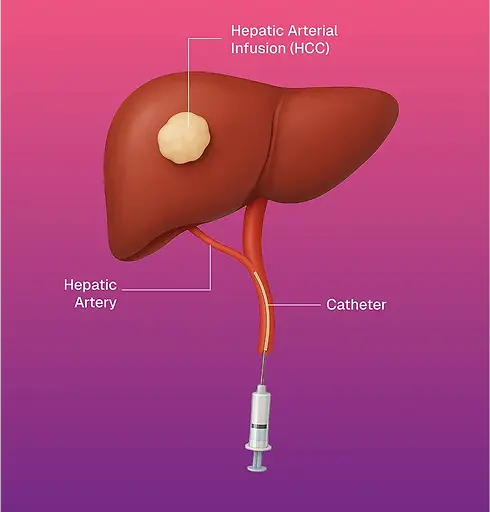
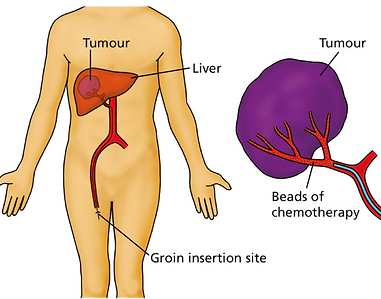
Transarterial Chemoembolization (TACE) is a minimally invasive technique used to treat tumors in the liver. This procedure involves delivering chemotherapy directly to the tumor site by embolizing the blood vessels supplying the tumor with beads that are soaked in a chemotherapy agent, such as doxorubicin.
Access for the procedure is typically achieved either through the groin or the left wrist, where a small catheter and wire are used to navigate and select the blood vessels feeding the tumor(s). Once the target vessels are identified, they are embolized using either bland beads (without chemotherapy) or drug-eluting beads that release chemotherapy directly to the tumor.
TACE is particularly effective for treating tumors such as hepatocellular carcinoma, metastatic liver tumors, and even benign lesions like liver hemangiomas. This targeted approach minimizes damage to healthy liver tissue while delivering potent treatment to the tumor, offering a highly effective alternative to more invasive surgical options.
I have undergone specialized training in performing procedures like Transarterial Hepatic emoembolization using either chemotherapy-eluting beads (DEBTACE) or radioactive beads (TARE or SIRT). These advanced techniques offer highly targeted treatment for liver tumors, improving patient outcomes. However, due to the high costs associated with TARE/SIRT, this option is not currently feasible in Kenya.
Despite this challenge, we are working towards introducing this service in the near future, with the goal of providing more comprehensive treatment options for patients with liver tumors. In the meantime, TACE with chemotherapy-eluting beads remains an effective and accessible alternative for many patients.
Frequently Asked Questions

Do I Need to Be Referred by an Oncologist?
Ideally, you should be seen by an oncologist before undergoing treatment. Your case should be discussed in a multi-disciplinary meeting involving surgeons, oncologists, radiologists, interventional radiologists, and radiation oncologists to determine the best course of action. A recommendation from this meeting is required before we can proceed with your treatment.
If you don’t have an oncologist or haven’t seen one yet, we can assist in arranging a meeting, or you can choose to see an oncologist of your choice before coming to see us.
What Do I Need to Bring for the Consultation?
Please bring all your previous images and reports, especially:
-
The most recent scans you have.
-
The most recent blood tests, particularly those for your liver function.
How is TACE Different from Systemic Chemotherapy?
TACE (Transarterial Chemoembolization) works in two ways:
-
Local Drug Delivery: Drug-eluting beads provide a higher, targeted dose directly to the tumor.
-
Blood Supply Blockage: The beads block the blood flow to the tumor, starving it and causing the tumor cells to die. The chemotherapy agent within the beads continues to kill remaining tumor cells.
Is TACE Curative?
No, TACE is not curative. However, it can shrink tumors sufficiently to allow for surgery or thermal ablation with curative intent. It can also serve as palliative treatment, helping to relieve symptoms from tumor size and improving comfort.
How is TACE Carried Out?
The TACE procedure is performed with the following steps:
-
A small 2mm puncture is made in your left wrist or groin.
-
A catheter and wire are then inserted and guided to your liver’s blood supply.
-
Under X-ray guidance, drug-eluting beads are injected to deliver targeted chemotherapy directly to the tumor.
What to Expect on the Day of the Procedure?
-
Fasting: Please do not eat or drink after midnight before the procedure. After admission and check-in, an IV line will be placed.
-
The procedure is done under local anesthesia, and you will be awake to allow us to give you breathing instructions during the procedure.
What to Expect After the Procedure?
-
You will spend one night in the hospital under the care of the oncology team for pain management.
-
A blood test will be performed to monitor your liver function the morning after the procedure. You will be able to go home once the test results are stable.
-
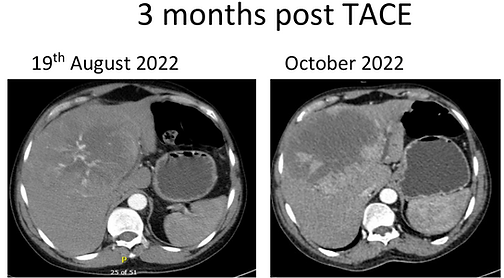
Follow-up tests: A repeat liver blood test will be required two weeks after the procedure, and a CT scan will assess the response four weeks later.
Who Will Follow Me Up After the Procedure?
After your procedure, you should follow up with your oncologist, who will coordinate with us if there are any concerns. We will review your CT scan four weeks after the procedure together with your oncologist to evaluate your progress.
bottom of page